24, Sep 2023
The Enduring Allure Of Christmas Colors: Red And Green’s Festive History
The Enduring Allure of Christmas Colors: Red and Green’s Festive History
Related Articles: The Enduring Allure of Christmas Colors: Red and Green’s Festive History
- Christmas Carols: A Religious Reflection For 2024
- Christmas Colors 2024: A Festive And Enchanting Palette
- Christmas Carol Ornaments 2024: A Journey Through Nostalgic Melodies
- Christmas Carol With Alastair Sim: A Timeless Holiday Classic For 2024
- Christmas Carol On TV 2024: A Guide To Festive Viewing
Introduction
With enthusiasm, let’s navigate through the intriguing topic related to The Enduring Allure of Christmas Colors: Red and Green’s Festive History. Let’s weave interesting information and offer fresh perspectives to the readers.
Table of Content
Video about The Enduring Allure of Christmas Colors: Red and Green’s Festive History
The Enduring Allure of Christmas Colors: Red and Green’s Festive History
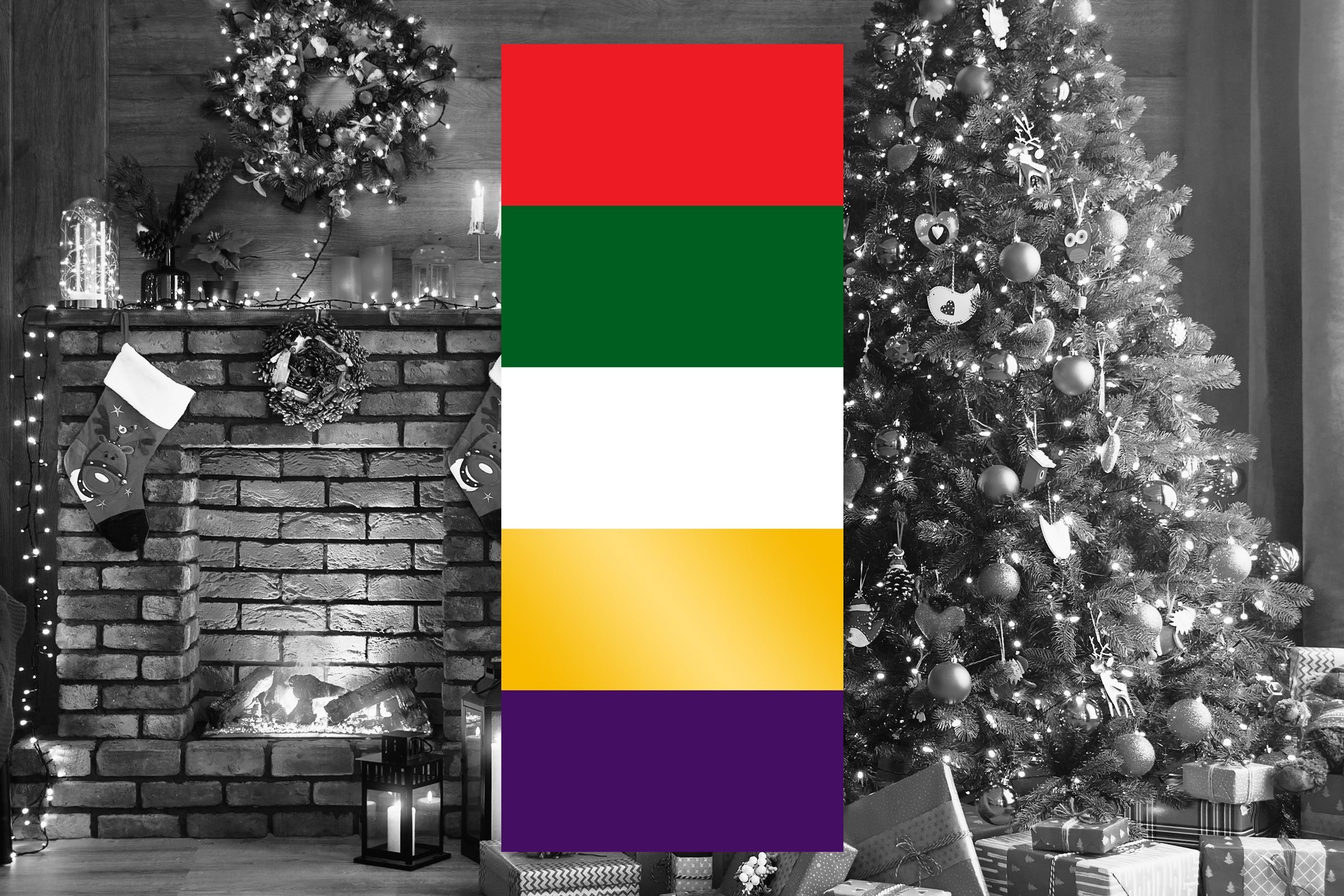
As the festive season of Christmas approaches, the familiar hues of red and green adorn homes, streets, and hearts around the world. These colors have become synonymous with the holiday, evoking a sense of joy, warmth, and cheer. But where did this iconic color combination originate, and what is its historical significance?
Ancient Origins: Red and Green in Nature
The association between red and green and Christmas can be traced back to ancient times. In many cultures, red symbolized the blood of Christ, while green represented the evergreen trees that remained vibrant throughout the winter solstice.
Medieval Symbolism: Red and Green in Religious Art
During the Middle Ages, red and green became prominent colors in religious paintings and tapestries. Red was used to depict the robes of saints and martyrs, while green adorned the robes of the Virgin Mary. This symbolism further solidified the association of these colors with the Christmas story.
Victorian Era: The Birth of the Christmas Tree
The Victorian era witnessed a resurgence of interest in Christmas traditions. In 1841, Queen Victoria and Prince Albert introduced the Christmas tree to England. The tree was adorned with red and green decorations, which quickly became a popular custom.
Red and Green as Christmas Colors
By the end of the 19th century, red and green had become firmly established as the official Christmas colors. The combination was used on greeting cards, wrapping paper, and festive decorations. The colors were said to represent the joy and warmth of the holiday season.
Coca-Cola’s Marketing Masterstroke
In 1931, Coca-Cola launched a marketing campaign featuring Santa Claus dressed in a red and white suit. This iconic image further popularized the association of red and green with Christmas. The campaign also introduced the idea of Santa Claus as a jolly, gift-giving figure, which became an integral part of the Christmas tradition.
Modern Interpretations: Red and Green Today
While the traditional red and green color scheme remains popular, modern interpretations have emerged. Some prefer to use alternative colors, such as blue and silver, while others opt for more muted or pastel shades of red and green.
Conclusion
The enduring allure of red and green as Christmas colors is a testament to their historical significance and cultural appeal. From ancient origins to Victorian traditions and modern marketing campaigns, these colors have become an integral part of the Christmas experience. As the festive season approaches, let us embrace the warmth and joy that red and green evoke, celebrating the spirit of Christmas in all its vibrant hues.






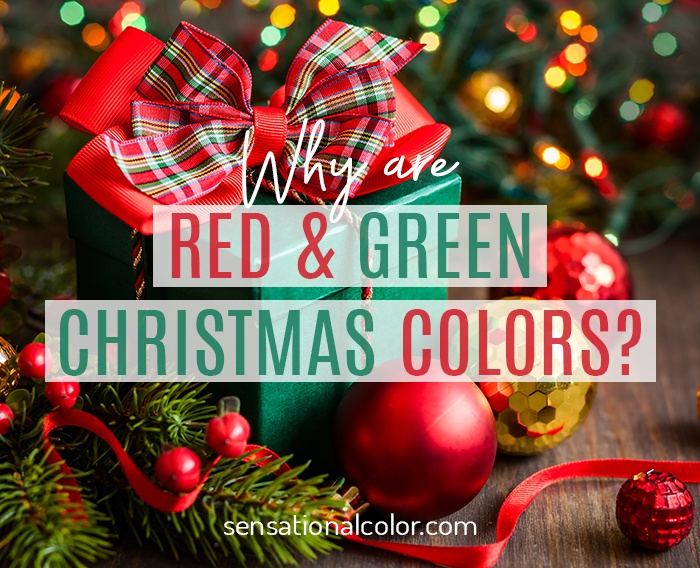

Closure
Thus, we hope this article has provided valuable insights into The Enduring Allure of Christmas Colors: Red and Green’s Festive History. We thank you for taking the time to read this article. See you in our next article!
- 0
- By admin