29, Jun 2023
Christmas Day In The Workhouse: A Dickensian Tale Of Redemption And Renewal
Christmas Day in the Workhouse: A Dickensian Tale of Redemption and Renewal
Related Articles: Christmas Day in the Workhouse: A Dickensian Tale of Redemption and Renewal
- Christmas Carol Marley Quotes: A Timeless Lesson In Redemption And Second Chances
- Ellenbrook Christmas Carols 2024: A Joyous Celebration Of The Festive Season
- Christmas Carols And Songs Dingbats 2024: A Festive Puzzle For Music Lovers
- Christmas Colors Take 10: A Festive Forecast For 2024
- Christmas Day Dinner 2024: A Culinary Extravaganza
Introduction
With enthusiasm, let’s navigate through the intriguing topic related to Christmas Day in the Workhouse: A Dickensian Tale of Redemption and Renewal. Let’s weave interesting information and offer fresh perspectives to the readers.
Table of Content
Video about Christmas Day in the Workhouse: A Dickensian Tale of Redemption and Renewal
Christmas Day in the Workhouse: A Dickensian Tale of Redemption and Renewal
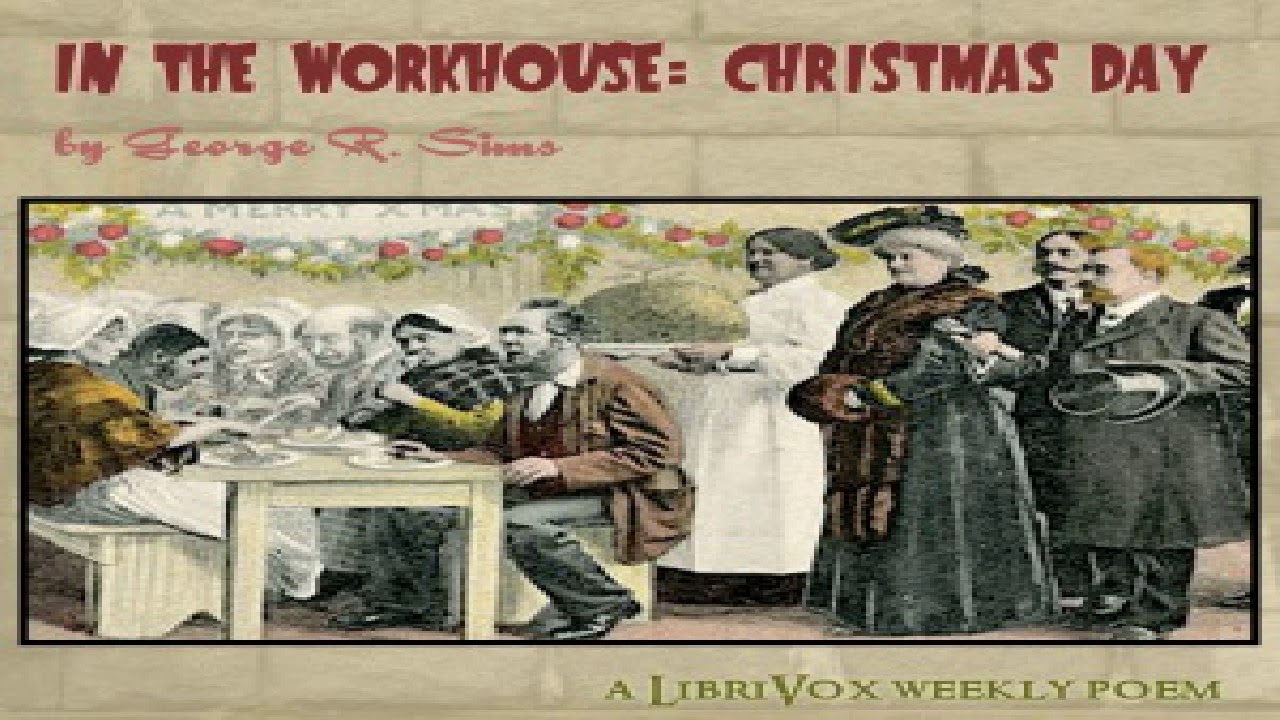
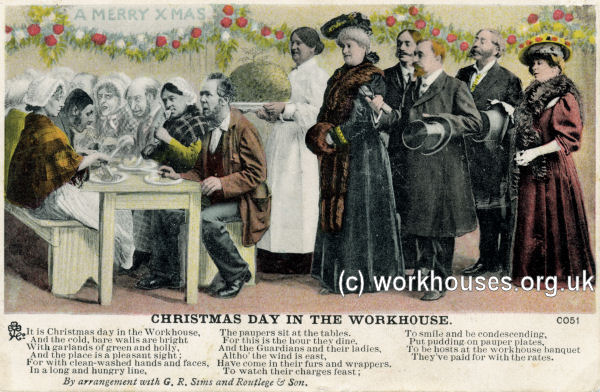
In the bustling metropolis of London, amidst the festive cheer and merriments of Christmas 1844, a somber tale unfolded within the grim walls of the infamous St. Giles Workhouse. Charles Dickens, the renowned Victorian novelist and social reformer, had spent the day visiting the workhouse, observing firsthand the plight of the destitute and forgotten souls who resided there.
His visit left an indelible mark on his heart and mind, inspiring him to pen a poignant and unforgettable account of the Christmas Day he witnessed in that bleak institution. Published in 1845, "A Christmas Carol" became an instant classic, captivating readers with its timeless themes of redemption, compassion, and the transformative power of the human spirit.
As we approach the festive season of 2024, it is fitting to revisit Dickens’ masterpiece and reflect upon its enduring relevance. In an era marked by both unprecedented prosperity and stark inequalities, the message of "A Christmas Carol" continues to resonate deeply, reminding us of the importance of empathy, kindness, and the indomitable human spirit that can triumph even in the darkest of circumstances.
The Workhouse: A Dickensian Inferno
In the mid-19th century, workhouses were a ubiquitous feature of the British social landscape. Established under the Poor Law Amendment Act of 1834, these institutions were intended to provide shelter and sustenance to the destitute and unemployed. However, in reality, workhouses often became overcrowded, unsanitary, and dehumanizing environments.
St. Giles Workhouse, where Dickens spent Christmas Day in 1844, was no exception. Over 1,500 paupers were crammed into the dilapidated building, living in squalid conditions with little food, warmth, or medical care. The workhouse regime was harsh and unforgiving, with inmates forced to perform menial labor in exchange for meager rations.
Christmas in the Workhouse
Despite the grim surroundings, Christmas Day brought a glimmer of hope to the workhouse inmates. The workhouse master, Mr. Bumble, allowed a modest feast of roast beef and plum pudding to be served, and the inmates were given a brief respite from their usual toil.
However, the festive atmosphere was short-lived. As the day wore on, the reality of their situation sank in. Many of the inmates were elderly, infirm, or orphaned children, with no family or friends to share the joy of the season. For them, Christmas Day was just another day of loneliness and despair.
The Ghost of Christmas Past
As the inmates gathered in the workhouse dining hall, a strange and unexpected visitor arrived. The Ghost of Christmas Past appeared before them, a translucent figure with a benevolent countenance. The ghost took the inmates on a journey through their past, showing them the happier times they had once known.
For some, the memories were bittersweet, reminding them of lost loved ones and cherished moments. For others, the past was a source of pain and regret. The Ghost of Christmas Past helped the inmates to confront their past mistakes and to come to terms with their present circumstances.
The Ghost of Christmas Present
Next came the Ghost of Christmas Present, a jovial and exuberant spirit who showed the inmates the joy and abundance that the festive season could bring. The ghost took them to the homes of wealthy families, where they witnessed the warmth, love, and generosity that was so lacking in their own lives.
The Ghost of Christmas Present also showed the inmates the plight of the poor and marginalized in other parts of the city. They saw starving children begging in the streets and homeless families huddled together for warmth. The ghost’s message was clear: Christmas was a time for sharing and compassion, not just for the fortunate few.
The Ghost of Christmas Yet to Come
Finally, the Ghost of Christmas Yet to Come appeared before the inmates. A silent and menacing figure, the ghost showed them a glimpse of their own future if they did not change their ways. The inmates saw themselves dying alone and forgotten in the workhouse, their lives ending in misery and despair.
The Ghost of Christmas Yet to Come was a powerful reminder of the consequences of their actions. It showed them that they had the power to shape their own destiny, and that it was never too late to turn their lives around.
The Transformation of Ebenezer Scrooge
In "A Christmas Carol," Dickens tells the story of Ebenezer Scrooge, a miserly and heartless old man who undergoes a profound transformation on Christmas Eve. Visited by the three ghosts of Christmas, Scrooge is forced to confront his past, present, and future, and he realizes the error of his ways.
Scrooge’s transformation is a symbol of the power of redemption and renewal. It shows that even the most hardened of hearts can be softened by compassion and kindness. Dickens’ message is clear: it is never too late to change, and even the darkest of lives can be filled with joy and meaning.
The Legacy of "A Christmas Carol"
"A Christmas Carol" has had a profound impact on Western culture and society. The story has been adapted countless times for stage, screen, and radio, and it continues to be a beloved holiday classic.
Beyond its entertainment value, "A Christmas Carol" has also played a significant role in raising awareness of the plight of the poor and marginalized. Dickens’ vivid portrayal of the workhouse has helped to shape public attitudes towards poverty and social inequality.
The message of "A Christmas Carol" is as relevant today as it was in the 19th century. In an era marked by both unprecedented prosperity and stark inequalities, we must all strive to be more compassionate and generous towards those less fortunate than ourselves.
A Christmas Day of Redemption and Renewal
As we approach Christmas Day 2024, let us remember the lessons of "A Christmas Carol." Let us open our hearts to the poor and marginalized, and let us work together to create a more just and equitable society for all.
May this Christmas be a day of redemption and renewal, a time when we all embrace the spirit of compassion, kindness, and the indomitable human spirit.




Closure
Thus, we hope this article has provided valuable insights into Christmas Day in the Workhouse: A Dickensian Tale of Redemption and Renewal. We appreciate your attention to our article. See you in our next article!
- 0
- By admin