12, Apr 2024
Christmas Day Facts 2024: Unwrapping The Magic And History Of The Festive Holiday
Christmas Day Facts 2024: Unwrapping the Magic and History of the Festive Holiday
Related Articles: Christmas Day Facts 2024: Unwrapping the Magic and History of the Festive Holiday
- Christmas Colors In Spain 2024: A Vibrant And Festive Palette
- Christmas Carol Jokes 2024: The Ultimate Festive Chuckles
- A Christmas Carol: A Timeless Tale Of Redemption And Renewal
- Joy To The World: A Timeless Christmas Carol
- Christmas Day 2024: A Season Of Joy, Love, And Celebration
Introduction
With great pleasure, we will explore the intriguing topic related to Christmas Day Facts 2024: Unwrapping the Magic and History of the Festive Holiday. Let’s weave interesting information and offer fresh perspectives to the readers.
Table of Content
Video about Christmas Day Facts 2024: Unwrapping the Magic and History of the Festive Holiday
Christmas Day Facts 2024: Unwrapping the Magic and History of the Festive Holiday

Christmas Day, an annual Christian festival commemorating the birth of Jesus Christ, holds a special place in the hearts of millions worldwide. Celebrated on December 25th, this day is synonymous with joy, warmth, and the spirit of giving. As we approach Christmas Day 2024, let’s delve into some fascinating facts that illuminate the history, traditions, and global significance of this beloved holiday.
1. The Origins of Christmas Day: A Blend of Pagan and Christian Traditions
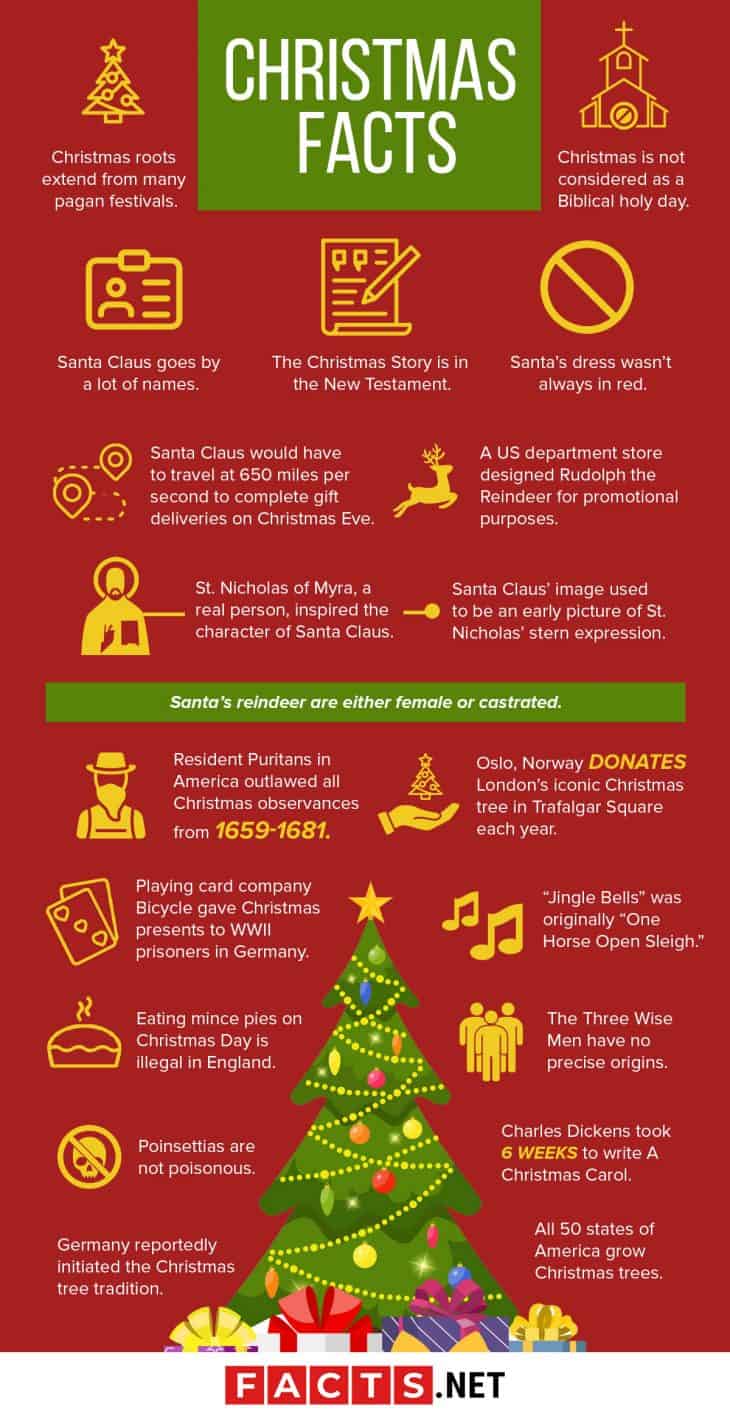
The origins of Christmas Day can be traced back to ancient pagan festivals that celebrated the winter solstice. The Roman festival of Saturnalia, held in mid-December, involved gift-giving, feasts, and revelry. In the 4th century AD, the Roman Emperor Constantine, who had converted to Christianity, declared December 25th as the official date of Christmas, coinciding with the pagan winter solstice celebrations.
2. The Birth of Jesus: A Biblical Account
According to the Gospels of Matthew and Luke in the Christian Bible, Jesus was born in a manger in Bethlehem, Judea, to Mary and Joseph. The exact date of his birth is unknown, and the choice of December 25th as Christmas Day was likely influenced by pagan festivals and the desire to align with the winter solstice.
3. The Three Wise Men: A Symbol of Epiphany
The story of the Three Wise Men, or Magi, who traveled from afar to bring gifts to the newborn Jesus, is recounted in the Gospel of Matthew. Their gifts of gold, frankincense, and myrrh symbolized the divine nature of Jesus as king, priest, and prophet. The feast of Epiphany, celebrated on January 6th, commemorates the arrival of the Three Wise Men.
4. The Christmas Tree: A German Tradition
The tradition of decorating Christmas trees originated in Germany in the 16th century. Evergreen trees were believed to symbolize eternal life and were adorned with candles, apples, and nuts. The first electric Christmas tree lights were introduced in the 1880s, and the tradition of decorating trees with ornaments and lights spread worldwide.
5. Santa Claus: The Modern-Day Saint Nicholas
The figure of Santa Claus, or Father Christmas, is based on the historical Saint Nicholas, a 4th-century bishop known for his generosity and kindness. In the 19th century, the American writer Clement Clarke Moore popularized the image of Santa Claus in his poem "A Visit from St. Nicholas," which described him as a jolly old man with a white beard and red suit.
6. Christmas Carols: Songs of Joy and Celebration
Christmas carols, with their heartwarming melodies and festive lyrics, have become an integral part of the holiday season. The earliest known Christmas carol, "Quem Quaeritis," dates back to the 10th century. Over the centuries, countless carols have been written and sung, spreading the message of love, peace, and goodwill.
7. Christmas Gifts: A Tradition of Giving
The tradition of exchanging gifts on Christmas Day has its roots in the gifts brought by the Three Wise Men to the infant Jesus. In many cultures, gift-giving is a way of expressing love, gratitude, and the spirit of the season.
8. Christmas Dinner: A Culinary Celebration
Christmas dinner is a culinary highlight of the holiday, with families and friends gathering around a festive table. Traditional dishes vary by country and region, but common favorites include roasted turkey, ham, gingerbread, and plum pudding.
9. Christmas Around the World: Diverse Celebrations
Christmas Day is celebrated in over 160 countries worldwide, each with its unique traditions and customs. In Mexico, the holiday is known as Noche Buena, and children break open piñatas filled with candy and toys. In Australia, Christmas is celebrated during the summer, with families enjoying barbecues and outdoor activities.
10. The Commercialization of Christmas: A Modern Phenomenon
In recent decades, Christmas Day has become increasingly commercialized, with retailers promoting gift-giving and holiday spending. While the commercial aspects of the holiday can overshadow its religious significance, many people still strive to maintain the true spirit of giving and togetherness.
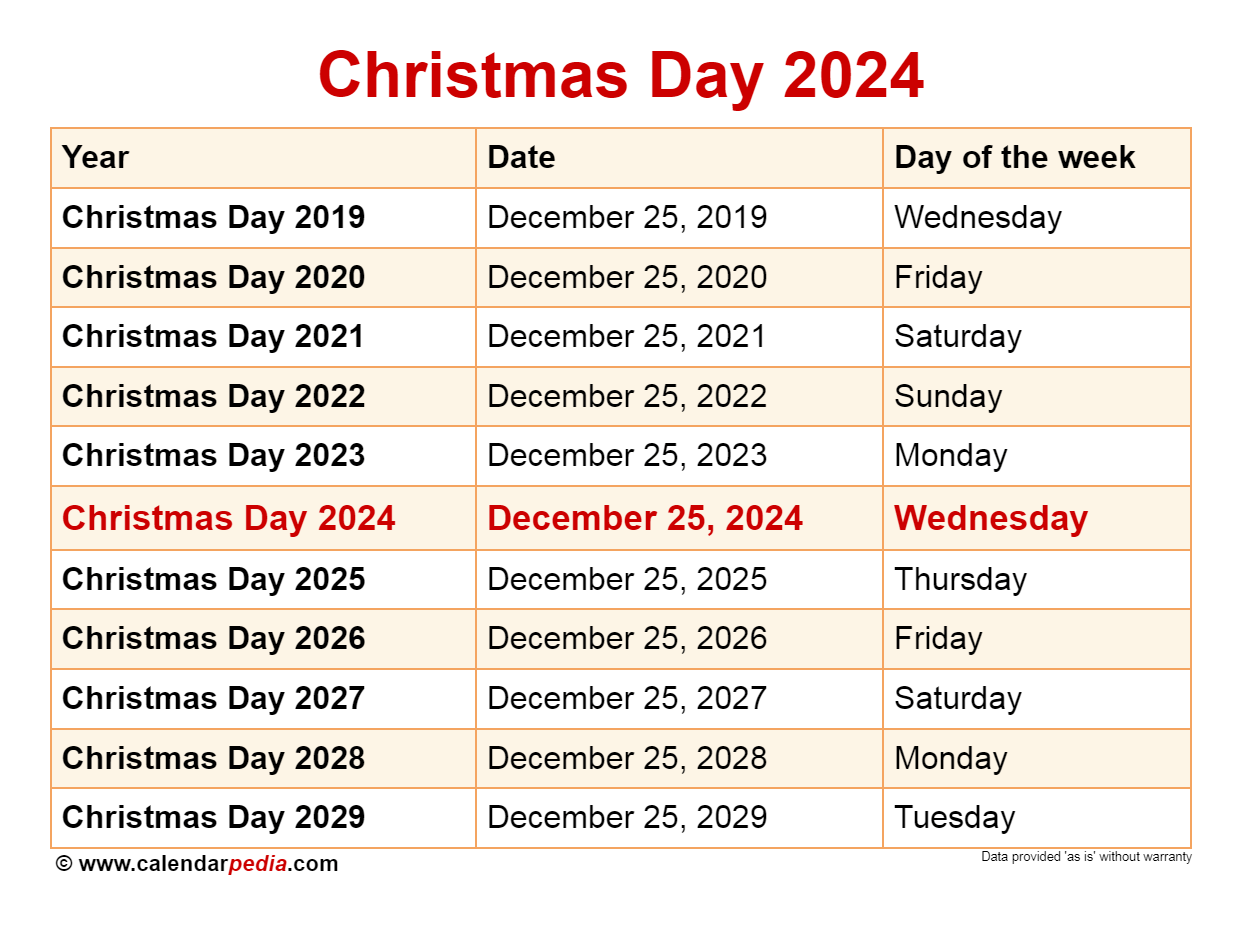
11. Christmas Day in 2024: A Wednesday Celebration
In 2024, Christmas Day falls on a Wednesday. This means that most people will have a three-day weekend to enjoy the holiday with family and friends.
12. The Significance of Christmas Day: A Time for Reflection and Renewal
Beyond the festive traditions and gift-giving, Christmas Day serves as a time for reflection and spiritual renewal. For many Christians, it is a day to remember the birth of Jesus Christ and his message of love, hope, and salvation.
13. Christmas Day as a National Holiday
In most countries that celebrate Christmas Day, it is a national holiday. This allows people to spend time with their loved ones, attend religious services, and enjoy the festive atmosphere.
14. The Impact of Christmas Day on the Economy
Christmas Day has a significant impact on the global economy. Retailers experience a surge in sales during the holiday season, and travel and tourism industries benefit from increased bookings.
15. Christmas Day as a Time for Peace and Reconciliation
Throughout history, Christmas Day has been associated with peace and reconciliation. During World War I, a spontaneous ceasefire occurred on Christmas Day 1914, as soldiers from both sides emerged from their trenches to exchange gifts and sing carols.
16. The Enduring Legacy of Christmas Day
As a cultural phenomenon, Christmas Day has stood the test of time, evolving and adapting to different eras and societies. Its message of love, joy, and giving continues to resonate with people worldwide, making it a truly enduring and cherished holiday.
Conclusion
Christmas Day 2024 promises to be a time of joy, celebration, and reflection. As we gather with loved ones, exchange gifts, and sing carols, let us remember the true spirit of the holiday. By embracing the traditions and values that have shaped Christmas Day throughout history, we can create a meaningful and unforgettable experience for ourselves and for generations to come.


.jpg)


Closure
Thus, we hope this article has provided valuable insights into Christmas Day Facts 2024: Unwrapping the Magic and History of the Festive Holiday. We hope you find this article informative and beneficial. See you in our next article!
- 0
- By admin