20, Oct 2023
Christmas Carols: Origin And History
Christmas Carols: Origin and History
Related Articles: Christmas Carols: Origin and History
- Christmas Carols In Order Of Nativity 2024
- Christmas Carols Music 2024: A Festive Guide To The Season’s Melodies
- A Christmas Carol: The Enchanting Cinematic Reimagining Set To Premiere In 2024
- Christmas Carol Revision 2024: A Comprehensive Guide
- Christmas Carols For Kids On YouTube 2024: A Festive Guide For The Whole Family
Introduction
With great pleasure, we will explore the intriguing topic related to Christmas Carols: Origin and History. Let’s weave interesting information and offer fresh perspectives to the readers.
Table of Content
Video about Christmas Carols: Origin and History
Christmas Carols: Origin and History
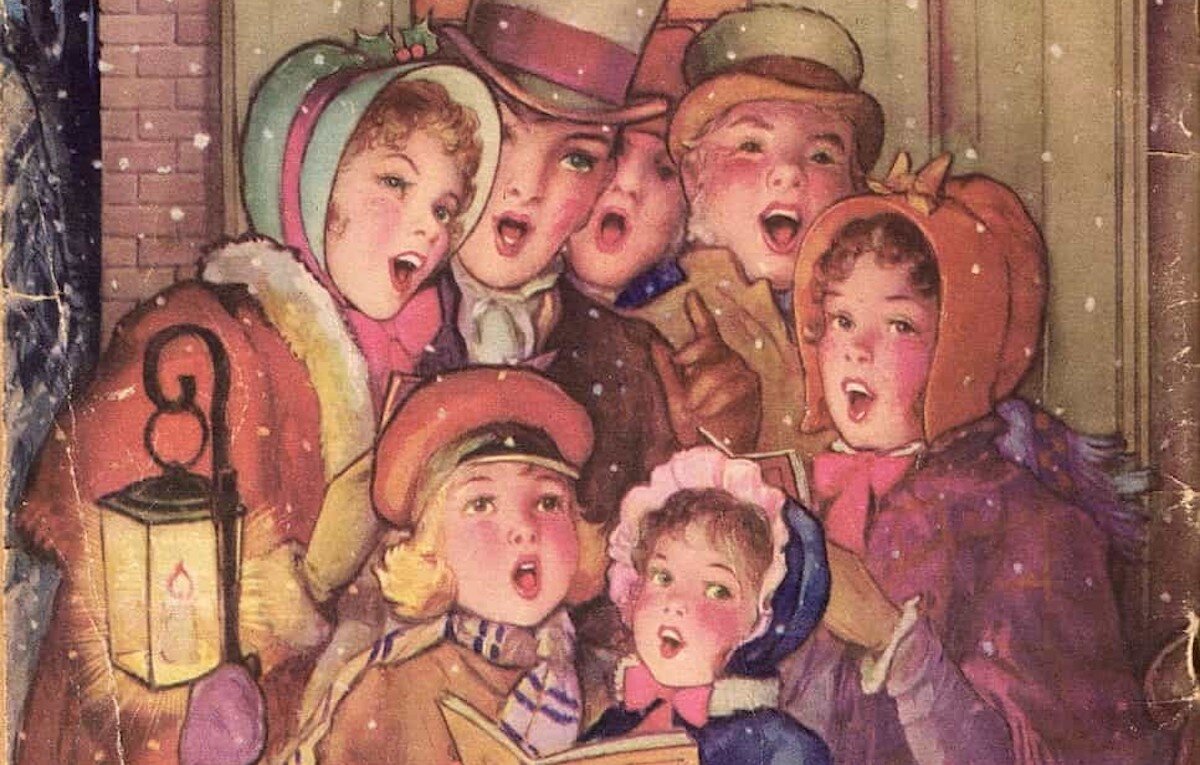
Christmas carols, those beloved holiday songs that fill the air with joy and merriments, have a rich and fascinating history that spans centuries. Their origins can be traced back to medieval Europe, where they were known as "caroles" and were sung by groups of people who would go from house to house, singing and dancing to celebrate the birth of Jesus Christ.
Medieval Origins
The earliest known Christmas carols date back to the 13th century. These early carols were often simple, folk-like songs with lyrics that focused on the Nativity story. They were typically sung in Latin or the vernacular language of the region. One of the most famous early carols is "Adeste Fideles" ("O Come, All Ye Faithful"), which was first published in 1743 and has since become a beloved Christmas standard.
The Reformation
During the Protestant Reformation of the 16th century, many carols were translated into English and German. This helped to spread their popularity throughout Europe and beyond. Martin Luther, the leader of the Reformation, was a strong advocate for the use of music in worship, and he encouraged the composition of new carols.
The Victorian Era
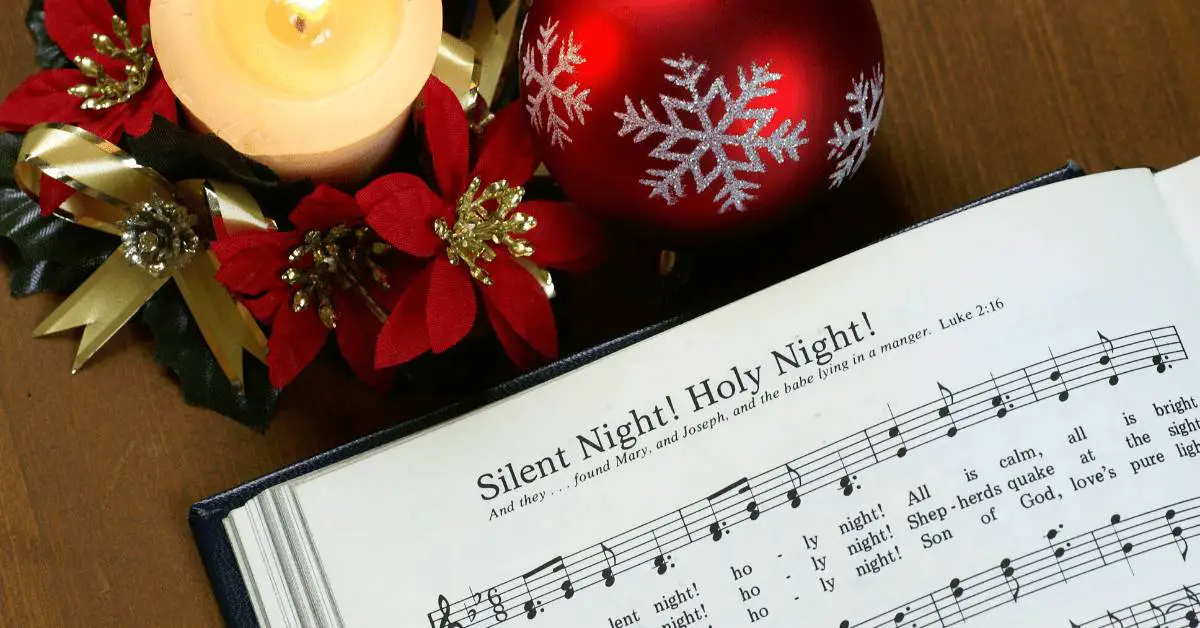
The Victorian era (1837-1901) saw a renewed interest in Christmas carols. This was due in part to the popularity of Charles Dickens’s novel "A Christmas Carol," which featured several carols. During this time, many new carols were written, including some of the most popular Christmas songs of all time, such as "Silent Night," "Jingle Bells," and "Deck the Halls."
The 20th Century
In the 20th century, Christmas carols continued to be popular, and new carols were written and recorded. The advent of radio and television helped to spread the popularity of carols even further. Today, Christmas carols are an essential part of the holiday season, and they are sung by people of all ages and backgrounds.
Types of Christmas Carols
There are many different types of Christmas carols, each with its own unique style and purpose. Some of the most common types include:
- Traditional Carols: These are the classic carols that have been sung for centuries, such as "Silent Night," "Jingle Bells," and "Deck the Halls."
- Contemporary Carols: These are newer carols that have been written in the past few decades. They often have a more modern sound and may incorporate elements of popular music.
- Secular Carols: These carols focus on the secular aspects of the holiday season, such as family, friends, and gift-giving. They do not mention religious themes.
- Religious Carols: These carols focus on the religious aspects of the holiday season, such as the birth of Jesus Christ and the message of salvation.
The Significance of Christmas Carols
Christmas carols play an important role in the holiday season. They help to create a sense of joy and celebration, and they remind us of the true meaning of Christmas. Carols are also a way to bring people together. They can be sung by families, friends, and communities, and they help to create a sense of unity and belonging.
Conclusion
Christmas carols are a cherished part of the holiday season. They have a rich and fascinating history that spans centuries, and they continue to be popular today. Carols help to create a sense of joy and celebration, and they remind us of the true meaning of Christmas.


Closure
Thus, we hope this article has provided valuable insights into Christmas Carols: Origin and History. We appreciate your attention to our article. See you in our next article!
- 0
- By admin