17, Oct 2023
Christmas Carols KS1 2024: A Guide For Teachers
Christmas Carols KS1 2024: A Guide for Teachers
Related Articles: Christmas Carols KS1 2024: A Guide for Teachers
- Christmas Carols Church 2024: A Joyous Celebration Of The Savior’s Birth
- Christmas Carols Of Yesteryear: A Revival For 2024
- Christmas Carol Plot 2024
- A Christmas Carol: A Timeless Tale Of Redemption And Renewal
- Enya’s Christmas Carols: A Timeless Holiday Tradition
Introduction
With great pleasure, we will explore the intriguing topic related to Christmas Carols KS1 2024: A Guide for Teachers. Let’s weave interesting information and offer fresh perspectives to the readers.
Table of Content
Video about Christmas Carols KS1 2024: A Guide for Teachers
Christmas Carols KS1 2024: A Guide for Teachers

Introduction
Christmas carols are an integral part of the festive season, and they play a significant role in creating a magical and memorable atmosphere for children. In Key Stage 1 (KS1), introducing children to Christmas carols is a wonderful way to develop their musical skills, foster a love of music, and create lasting memories. This comprehensive guide provides teachers with a wealth of information and resources to help them plan and deliver engaging and meaningful Christmas carol lessons for KS1 pupils in 2024.
Benefits of Singing Christmas Carols in KS1
- Musical Development: Christmas carols expose children to a variety of musical elements, such as rhythm, melody, harmony, and dynamics. Singing carols helps them develop their vocal skills, improve their pitch and intonation, and enhance their musical understanding.
- Language and Literacy: Christmas carols often contain rich and meaningful lyrics that can help children develop their vocabulary, comprehension skills, and appreciation for language.
- Cultural Awareness: Singing Christmas carols connects children with the cultural and historical traditions associated with the festive season. It helps them understand the significance of Christmas and its role in different cultures.
- Social Skills: Singing carols together promotes teamwork, cooperation, and a sense of community. It provides opportunities for children to interact with each other and develop their social skills.
- Emotional Expression: Christmas carols can evoke a range of emotions, from joy and excitement to peace and tranquility. Singing carols allows children to express their feelings and connect with the spirit of the festive season.
Selecting Christmas Carols for KS1
When selecting Christmas carols for KS1 pupils, it is important to consider their age, musical abilities, and interests. Some popular and age-appropriate carols for KS1 include:
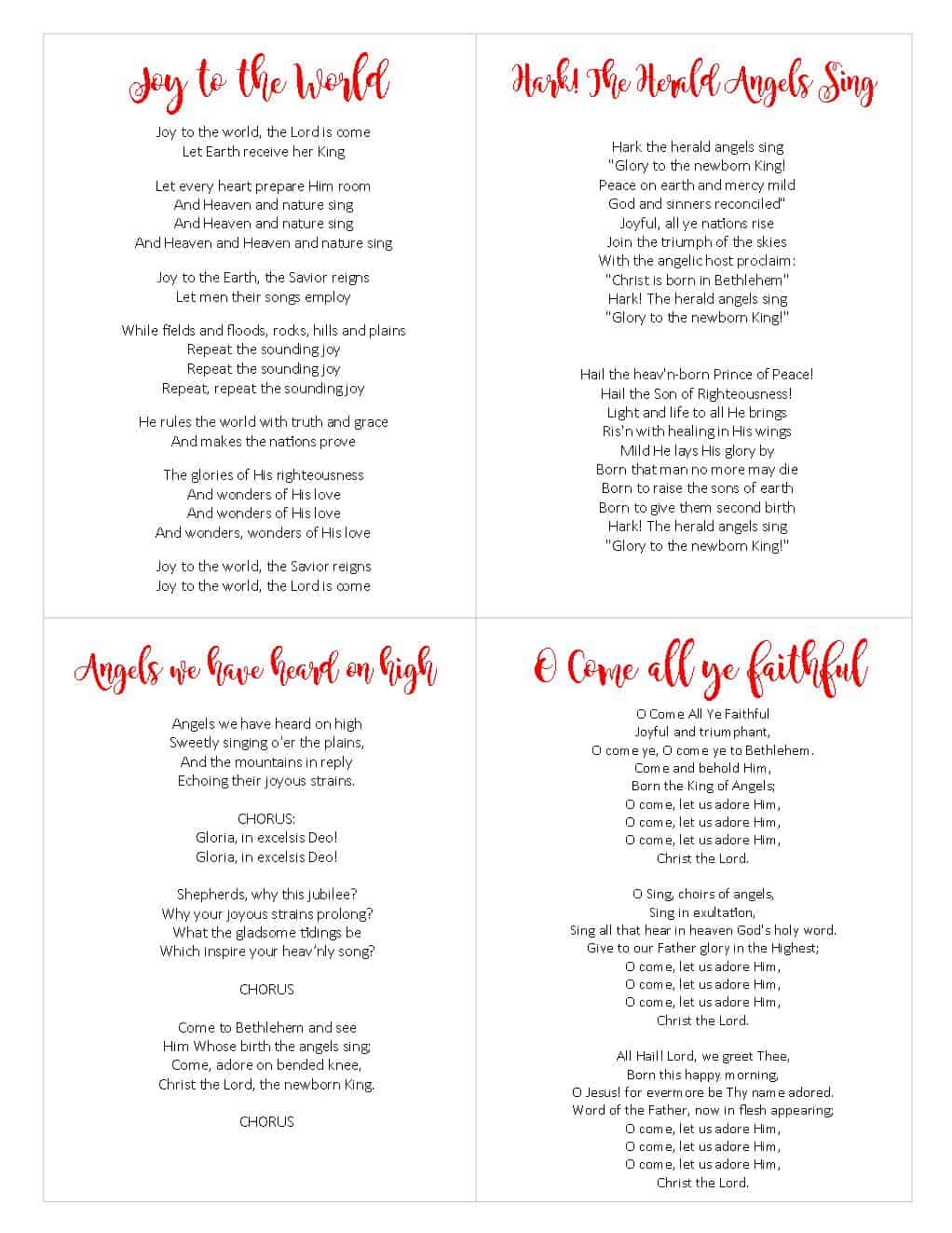
- Traditional Carols: "Silent Night," "Away in a Manger," "We Wish You a Merry Christmas," "Jingle Bells," "Deck the Halls"
- Contemporary Carols: "Rockin’ Around the Christmas Tree," "Frosty the Snowman," "Rudolf the Red-Nosed Reindeer," "Santa Claus Is Comin’ to Town"
- International Carols: "Les Anges dans Nos Campagnes" (France), "O Tannenbaum" (Germany), "Noche de Paz" (Spain)
Teaching Christmas Carols in KS1
1. Preparation:
- Introduce the carol: Begin by playing the carol for children and discussing its title, composer, and lyrics.
- Teach the melody: Use a variety of methods to teach the melody, such as call-and-response, echo singing, and solfege.
- Focus on rhythm: Clap or tap the rhythm of the carol to help children develop a strong sense of beat.
2. Practice:
- Rehearse the carol: Allow children to practice the carol multiple times to improve their accuracy and fluency.
- Vary the activities: Incorporate different activities into practice sessions, such as singing in small groups, performing for the class, or playing simple instruments.
- Encourage participation: Create a positive and supportive learning environment where all children feel comfortable participating.
3. Performance:
- Plan a performance: Decide where and when the children will perform the carols.
- Prepare the children: Help children prepare for the performance by rehearsing in the performance space and discussing any potential nerves.
- Support the children: Provide encouragement and support during the performance to help them feel confident and successful.
Resources for Teaching Christmas Carols in KS1
- Websites:
-
Books:
- "Christmas Carols for Kids" by Hal Leonard
- "The Big Book of Christmas Carols" by DK
-
YouTube Videos:
- "Christmas Carols for Children" by Super Simple Songs
- "KS1 Christmas Carols" by BBC Teach
Assessment of Christmas Carols in KS1
Assessment in KS1 music is focused on observing and evaluating children’s progress and development. Teachers can assess children’s understanding and performance of Christmas carols through:
- Informal Observations: Observing children during practice sessions and performances to assess their engagement, accuracy, and musicality.
- Self-Assessment: Asking children to reflect on their own performance and identify areas for improvement.
- Peer Assessment: Encouraging children to provide feedback to each other on their singing and performance.
Conclusion
Christmas carols play a vital role in creating a magical and memorable festive season for children in KS1. By carefully selecting, teaching, and performing Christmas carols, teachers can help children develop their musical skills, foster a love of music, and create lasting memories. This comprehensive guide provides teachers with a wealth of information and resources to help them plan and deliver engaging and meaningful Christmas carol lessons for KS1 pupils in 2024.




Closure
Thus, we hope this article has provided valuable insights into Christmas Carols KS1 2024: A Guide for Teachers. We hope you find this article informative and beneficial. See you in our next article!
- 0
- By admin