24, Nov 2023
Christmas Carols: A Timeless Tradition With A Rich History
Christmas Carols: A Timeless Tradition with a Rich History
Related Articles: Christmas Carols: A Timeless Tradition with a Rich History
- Christmas Carol Names 2024: A Comprehensive Guide To The Most Popular Holiday Tunes
- Christmas Carols Easy Piano 2024: A Festive Guide For Beginners
- Guy Pearce Embarks On A Heartwarming Christmas Journey In "A Christmas Carol" (2024)
- Joy To The World: A Festive Celebration Of Christmas Carols In 2024
- Christmas Carols: A Dickens Extravaganza In 2024
Introduction
With enthusiasm, let’s navigate through the intriguing topic related to Christmas Carols: A Timeless Tradition with a Rich History. Let’s weave interesting information and offer fresh perspectives to the readers.
Table of Content
Video about Christmas Carols: A Timeless Tradition with a Rich History
Christmas Carols: A Timeless Tradition with a Rich History
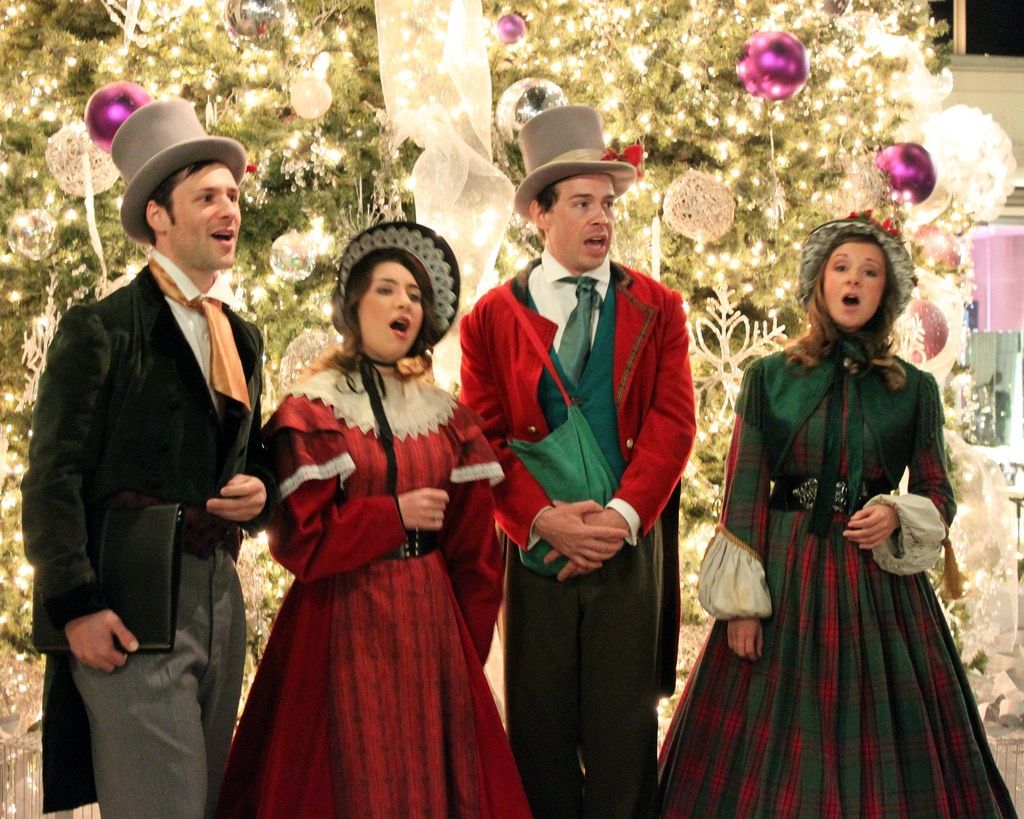
Christmas carols, those beloved songs that evoke the spirit of the holiday season, have a rich and multifaceted history that spans centuries and cultures. From humble beginnings in medieval Europe to their global reach today, Christmas carols have evolved and transformed, reflecting the changing social, religious, and cultural landscapes of their time.
Medieval Origins: The Birth of Christmas Carols
The earliest known Christmas carols emerged in medieval Europe during the 13th century. These early songs, known as "noëls" in French and "cantigas de natal" in Spanish, were typically performed by wandering minstrels and were often secular in nature. They celebrated the birth of Christ, but also incorporated elements of folklore and popular culture.
One of the most famous medieval Christmas carols is "The Holly and the Ivy," which dates back to the 15th century. This carol features a dialogue between the holly and the ivy, two plants that were traditionally used to decorate homes during the Christmas season.
The Reformation and the Rise of Religious Carols
During the Protestant Reformation in the 16th century, a new wave of Christmas carols emerged that were more explicitly religious in nature. These carols, written by Protestant reformers such as Martin Luther, emphasized the birth of Christ as a central tenet of the Christian faith.
One of the most famous Reformation carols is "Silent Night," which was written in 1818 by Franz Xaver Gruber and Joseph Mohr. This carol has become one of the most popular Christmas carols in the world and is sung in countless languages.
The Victorian Era: A Golden Age for Christmas Carols
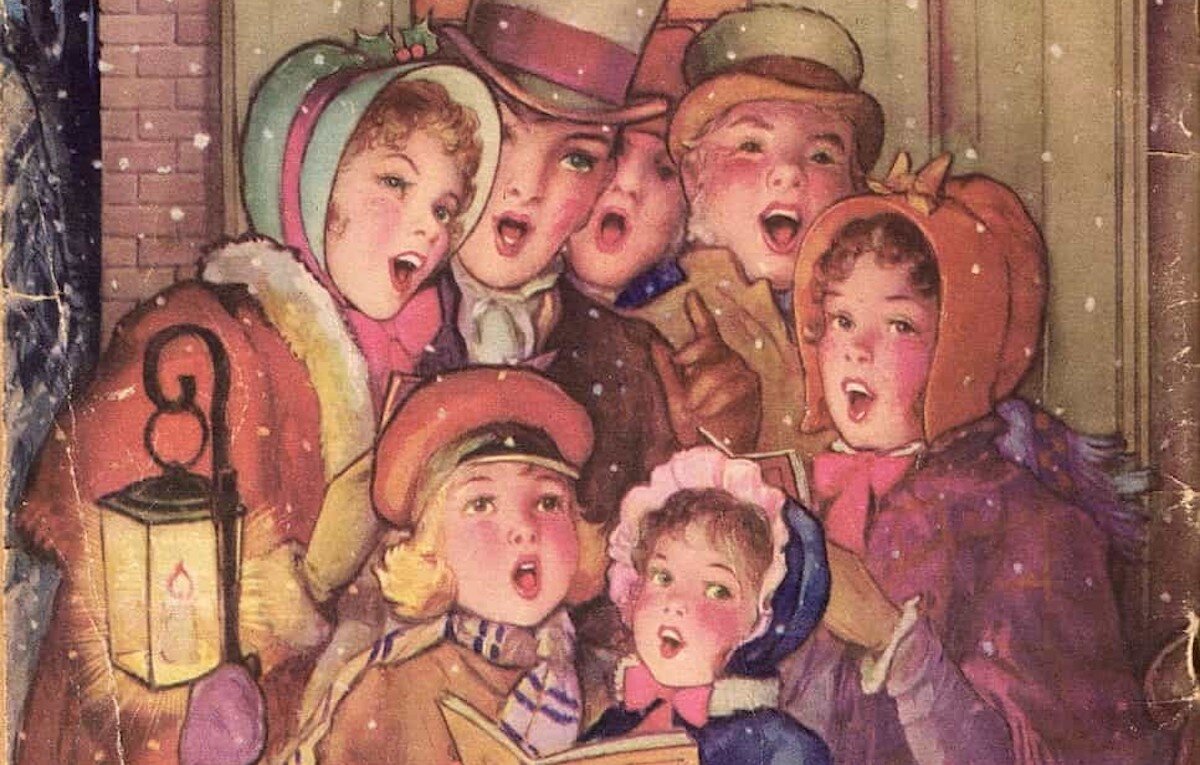
The Victorian era (1837-1901) witnessed a resurgence in the popularity of Christmas carols. During this time, carols were widely published and performed, and many new carols were written.
One of the most famous Victorian carols is "Deck the Halls," which was written in 1867 by Thomas Oliphant. This carol is a cheerful and festive song that celebrates the joy of the Christmas season.
The 20th Century: Christmas Carols Go Global
In the 20th century, Christmas carols became truly global in their reach. Thanks to advances in recording and communication technology, carols were disseminated far and wide, and they became an integral part of Christmas celebrations in many different cultures.
One of the most famous 20th-century Christmas carols is "White Christmas," which was written by Irving Berlin in 1942. This carol has become a classic Christmas song and has been recorded by countless artists.
The 21st Century: Christmas Carols in the Digital Age
In the 21st century, Christmas carols continue to evolve and adapt to the changing technological landscape. With the advent of digital music and streaming services, carols are now more accessible than ever before.
Moreover, new technologies are being used to create innovative ways to perform and experience carols. For example, some choirs have begun using virtual reality headsets to create immersive Christmas carol performances.
The Enduring Power of Christmas Carols
Despite the many changes that have occurred over the centuries, Christmas carols have remained a timeless tradition. They continue to bring people together, inspire joy and hope, and evoke the true spirit of the Christmas season.
Here are some of the reasons why Christmas carols have endured for so long:
- They are musically appealing. Christmas carols are typically written in catchy melodies and rhythms that are easy to sing and remember.
- They evoke powerful emotions. Christmas carols can evoke a wide range of emotions, from joy and happiness to peace and tranquility.
- They have a sense of nostalgia. Christmas carols often remind people of their childhood and the special memories they have of the holiday season.
- They are a part of our cultural heritage. Christmas carols are an integral part of the Christmas traditions of many cultures around the world.
Conclusion
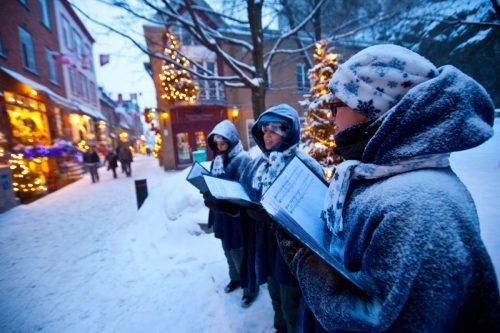
Christmas carols are a beloved tradition that has been passed down through generations. They have evolved and transformed over the centuries, reflecting the changing social, religious, and cultural landscapes of their time. Today, Christmas carols continue to bring people together, inspire joy and hope, and evoke the true spirit of the Christmas season.


/dv868016-56a68e233df78cf7728ef82b.jpg)
Closure
Thus, we hope this article has provided valuable insights into Christmas Carols: A Timeless Tradition with a Rich History. We hope you find this article informative and beneficial. See you in our next article!
- 0
- By admin