13, Jan 2024
Christmas Carols: A Journey Through History And Trivia
Christmas Carols: A Journey Through History and Trivia
Related Articles: Christmas Carols: A Journey Through History and Trivia
- Christmas Carol Stave 4: The Last Of The Spirits
- Christmas Carol LitCharts 2024: A Comprehensive Guide To Dickens’ Enduring Masterpiece
- Christmas Carol Information 2024: A Comprehensive Guide To The Beloved Tradition
- Christmas Carols: A Timeless Tradition For 2024
- Christmas Carol Hymns: A Timeless Tradition For 2024
Introduction
With enthusiasm, let’s navigate through the intriguing topic related to Christmas Carols: A Journey Through History and Trivia. Let’s weave interesting information and offer fresh perspectives to the readers.
Table of Content
Video about Christmas Carols: A Journey Through History and Trivia
Christmas Carols: A Journey Through History and Trivia

Introduction
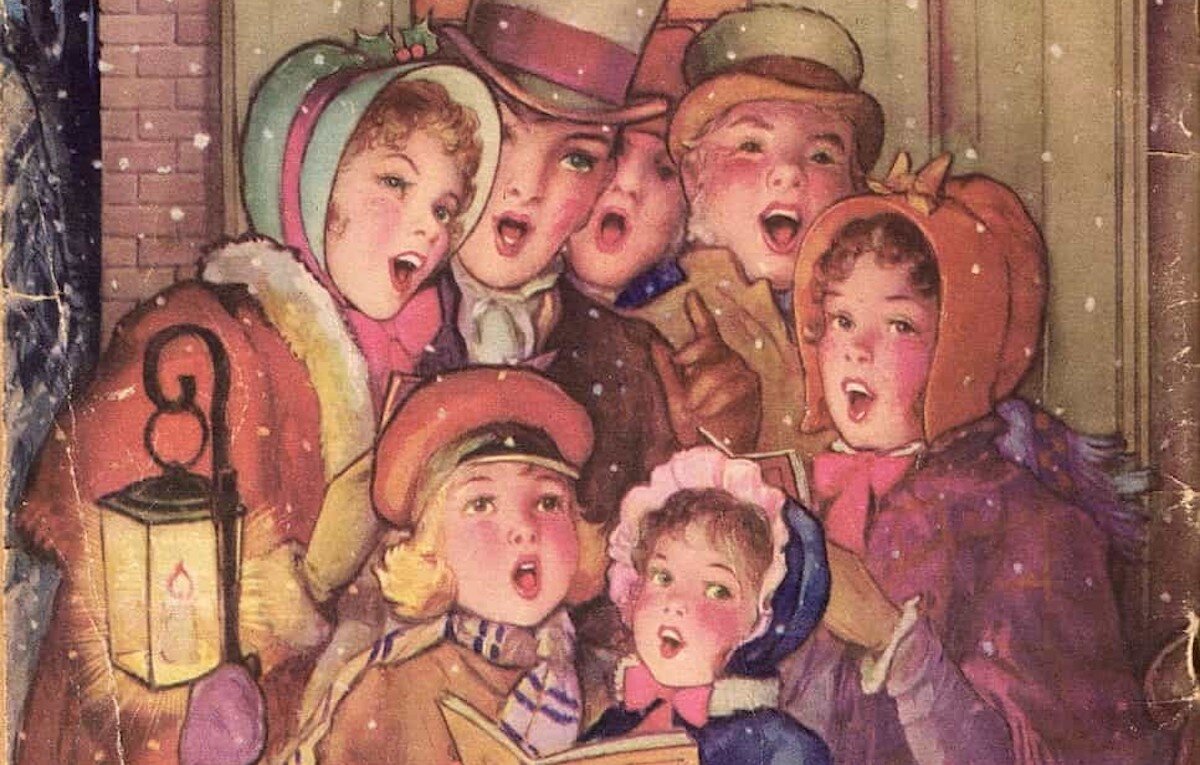
The festive season of Christmas is incomplete without the enchanting melodies of Christmas carols, which have become an integral part of the holiday’s traditions and celebrations. These beloved songs, passed down through generations, hold a special place in the hearts of people worldwide. From their humble origins to their modern-day renditions, Christmas carols have a rich history filled with fascinating trivia. As we approach Christmas 2024, let us embark on a journey to explore the captivating world of Christmas carols, uncovering their historical roots, lyrical evolution, and intriguing anecdotes.
The Dawn of Christmas Carols
The origins of Christmas carols can be traced back to medieval Europe, particularly to the 13th century. During this period, wandering minstrels and musicians would travel from town to town, performing songs and stories to entertain the masses. Some of these songs, known as "caroles," were specifically composed for Christmas celebrations and often featured religious themes.
Evolution of Lyrics and Melodies
Over the centuries, Christmas carols underwent significant changes in their lyrics and melodies. Many early carols were written in Latin, the language of the Catholic Church. However, as literacy spread and vernacular languages gained prominence, carols began to be written in local tongues, making them more accessible to the general population.
The melodies of Christmas carols were also influenced by various musical styles and traditions. Some carols adopted folk tunes, while others incorporated elements of classical music. This blending of musical genres resulted in a diverse and captivating repertoire of Christmas songs.
Popular Christmas Carols
Among the countless Christmas carols composed throughout history, a few have emerged as enduring favorites. These include:
-
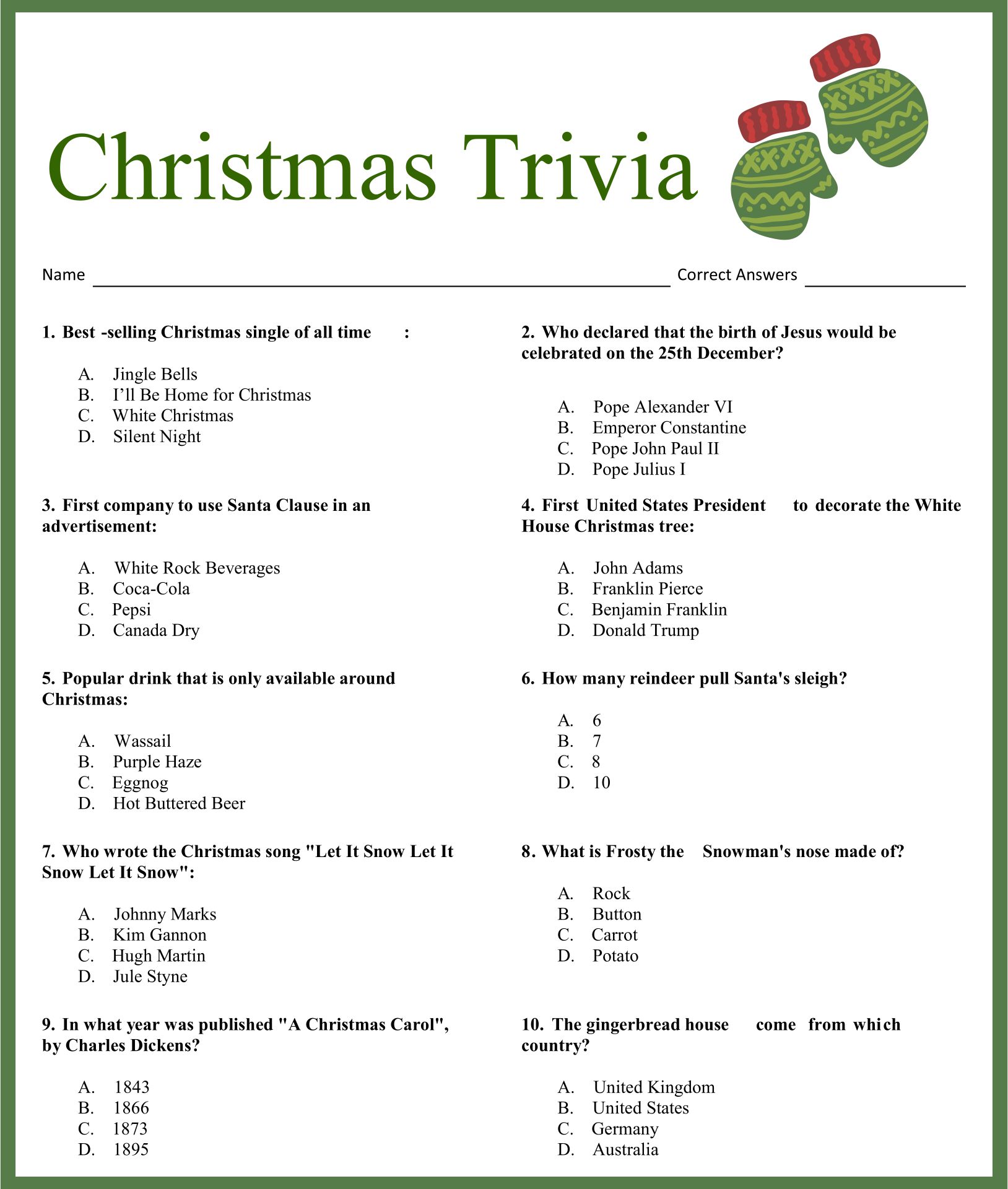
"Silent Night": Composed in 1818 by an Austrian priest, Franz Xaver Gruber, and a schoolmaster, Joseph Mohr, "Silent Night" is one of the most beloved Christmas carols worldwide. Its simple yet poignant lyrics and haunting melody have resonated with generations of listeners.
-
"Jingle Bells": Originally written as a Thanksgiving song in 1857 by James Pierpont, "Jingle Bells" has become synonymous with Christmas. Its cheerful and infectious tune has made it a staple of holiday festivities.
-
"Deck the Halls": This traditional Welsh carol dates back to the 16th century. Its lyrics celebrate the festive custom of decorating homes with greenery and ornaments during Christmas.
-
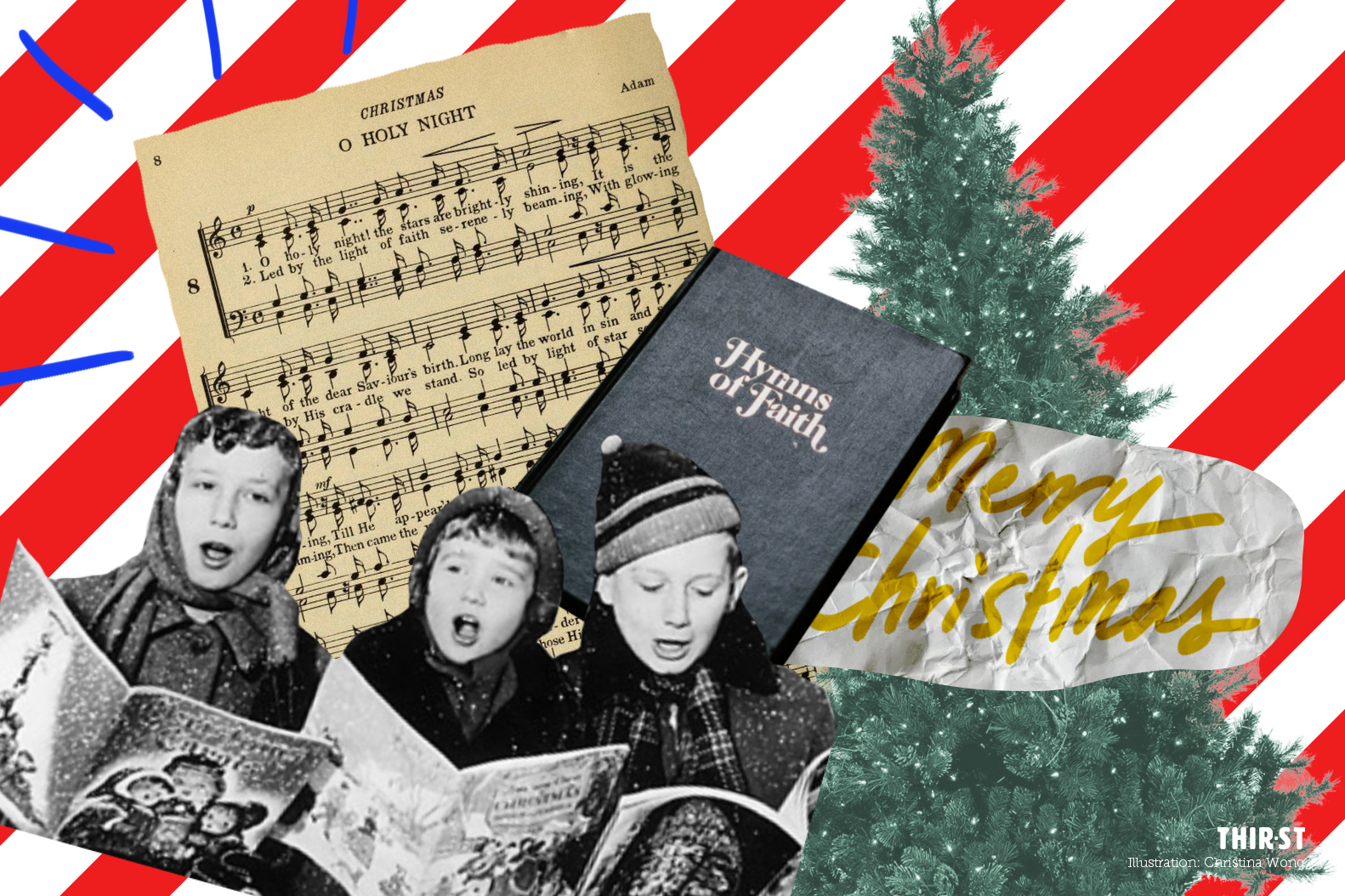
"O Holy Night": Composed in 1847 by a French composer, Adolphe Adam, "O Holy Night" is a majestic and reverent carol that captures the awe and wonder of the Nativity story.
Christmas Carols in Different Cultures
Christmas carols have been adopted and adapted by cultures worldwide, reflecting the diverse traditions and languages of different regions. In Germany, for example, the Christmas carol "Stille Nacht" (the German version of "Silent Night") is deeply ingrained in the holiday’s festivities. In Spain, the carol "Los Peces en el Río" (The Fishes in the River) is a popular children’s song during Christmas.
Trivia and Anecdotes
The world of Christmas carols is filled with fascinating trivia and anecdotes:
-
The Oldest Known Christmas Carol: The earliest known Christmas carol is "Quem Quaeritis," a Latin chant dating back to the 10th century.
-
The Christmas Carol That Saved a Life: During World War I, a German soldier named Franz Joseph Mohr sang "Silent Night" in the trenches on Christmas Eve. The song’s peaceful message led to a temporary truce between the opposing sides.
-
The Carol That Inspired a Movie: The 1946 film "It’s a Wonderful Life" features the song "Auld Lang Syne" as a Christmas carol.
-
The Carol That Became a Pop Hit: In 1973, the British rock band Slade released a glam rock version of "Merry Xmas Everybody," which became a chart-topping hit in the UK.
Christmas Carols in Modern Times
In the 21st century, Christmas carols continue to evolve and find new expressions. Contemporary artists have reimagined classic carols with modern arrangements and interpretations. Additionally, new carols are being composed, reflecting the changing cultural landscape and the ongoing spirit of Christmas.
Conclusion
Christmas carols are an indispensable part of the holiday season, bringing joy, warmth, and nostalgia to people of all ages. Their historical roots, lyrical evolution, and cultural significance have shaped them into a beloved tradition that transcends time and borders. As we celebrate Christmas 2024, let us appreciate the rich tapestry of Christmas carols and their enduring power to evoke the magic and wonder of the season.
/dv868016-56a68e233df78cf7728ef82b.jpg)
Closure
Thus, we hope this article has provided valuable insights into Christmas Carols: A Journey Through History and Trivia. We appreciate your attention to our article. See you in our next article!
- 0
- By admin