18, Feb 2024
Christmas Carols: A Historical Journey Through Centuries Of Festive Melodies
Christmas Carols: A Historical Journey through Centuries of Festive Melodies
Related Articles: Christmas Carols: A Historical Journey through Centuries of Festive Melodies
- Guy Pearce Embarks On A Heartwarming Christmas Journey In "A Christmas Carol" (2024)
- Christmas Carols For Children 2024: A Festive Guide To Spread Joy And Cheer
- A Timeless Tale: Exploring The Enduring Legacy Of Christmas Carols
- Christmas Carols Book 2024: A Festive Collection Of Beloved Holiday Classics
- Hark! The Herald Angels Sing: A Christmas Carol For The Ages
Introduction
With great pleasure, we will explore the intriguing topic related to Christmas Carols: A Historical Journey through Centuries of Festive Melodies. Let’s weave interesting information and offer fresh perspectives to the readers.
Table of Content
Video about Christmas Carols: A Historical Journey through Centuries of Festive Melodies
Christmas Carols: A Historical Journey through Centuries of Festive Melodies

Introduction
Christmas carols, with their enchanting melodies and heartwarming lyrics, have become an integral part of the holiday season, evoking memories of joy, family, and tradition. These beloved songs have a rich and fascinating history that spans centuries, with origins tracing back to medieval Europe. As we approach Christmas 2024, let us embark on a historical journey to explore the captivating evolution of Christmas carols.
Medieval Origins (10th-15th Centuries)
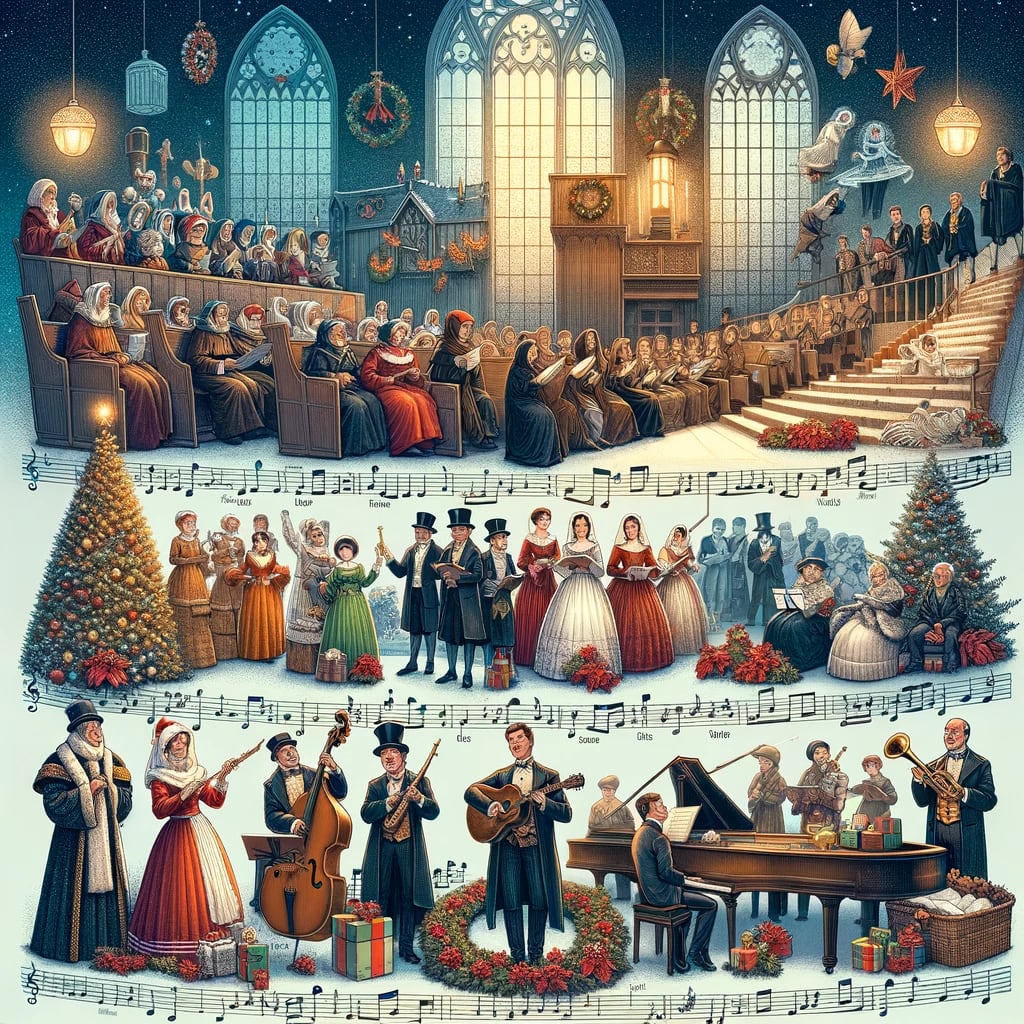
The earliest known Christmas carols emerged in Europe during the 10th century. These medieval carols were primarily sung in churches and monasteries during religious services, often in Latin. They focused on the biblical narrative of the Nativity, celebrating the birth of Jesus Christ.
As the popularity of carols grew, they began to be performed outside of religious settings, in homes and public gatherings. This led to the development of secular carols, which often incorporated folk melodies and festive themes.
Renaissance and Reformation (16th-17th Centuries)
The Renaissance and Reformation periods witnessed a significant surge in the popularity of Christmas carols. Composers such as William Byrd and Thomas Tallis created elaborate polyphonic carols, showcasing the complex musical techniques of the time.
During the Reformation, Protestant reformers encouraged the use of vernacular languages in religious music, leading to the translation of many Latin carols into English and other European languages. This made carols more accessible to the general public.
18th and 19th Centuries
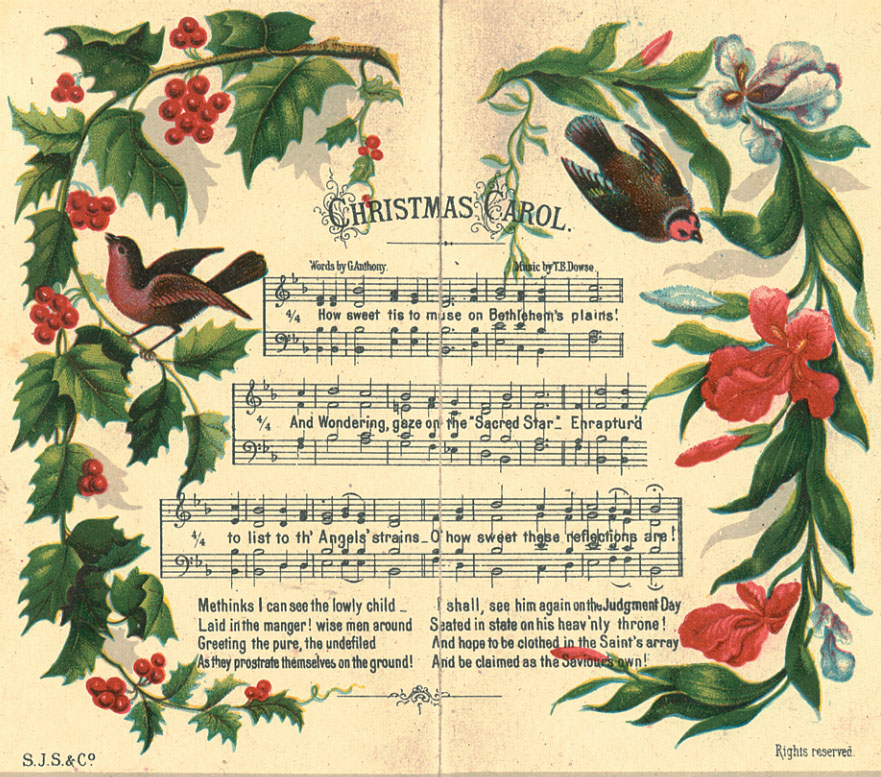
The 18th and 19th centuries marked a golden age for Christmas carols. Composers such as Franz Gruber and John Francis Wade created some of the most enduring and beloved carols of all time, including "Silent Night" and "O Come, All Ye Faithful."
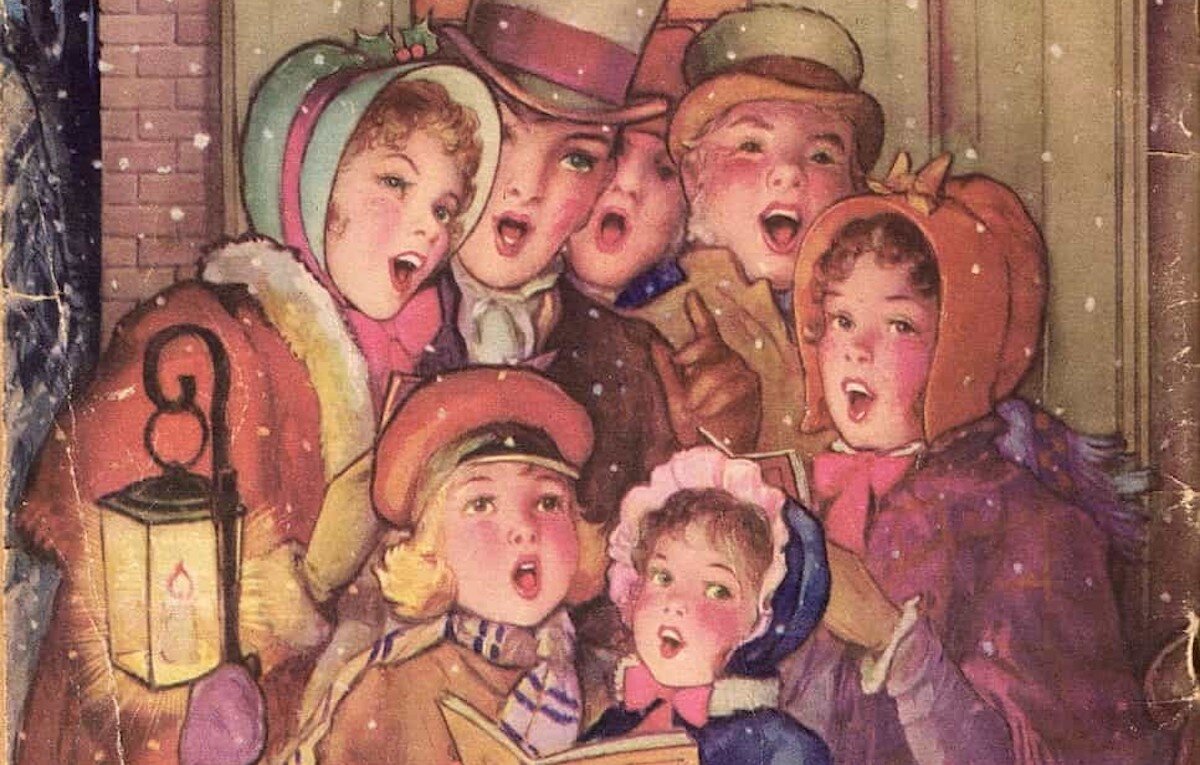
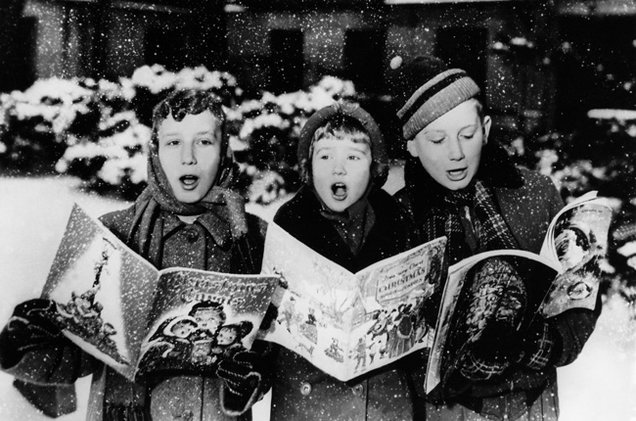
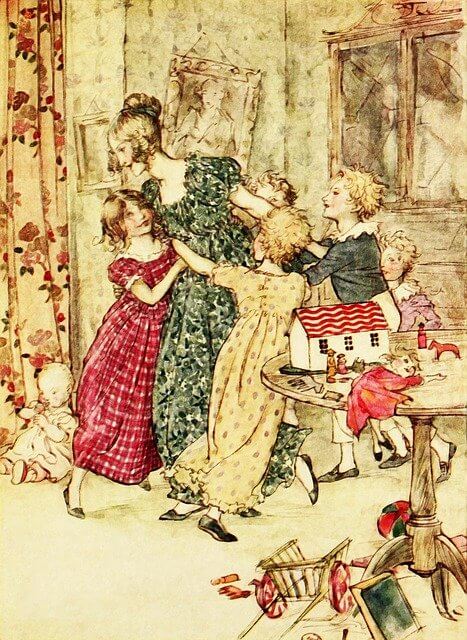
Carols also became a popular form of entertainment in the home. Families gathered around the piano or fireplace to sing carols together, creating a warm and festive atmosphere.
20th and 21st Centuries
In the 20th century, Christmas carols continued to evolve, with new styles and interpretations emerging. Jazz and swing influences can be heard in carols such as "Santa Claus Is Coming to Town."
The advent of recording technology allowed carols to be widely distributed, reaching audiences far beyond their original communities. Christmas carol albums became popular, and carols were featured in movies and television shows.
In the 21st century, Christmas carols remain a cherished tradition, sung by choirs, families, and communities around the world. New carols are still being written, keeping the spirit of Christmas alive for generations to come.
Themes and Motifs in Christmas Carols
Throughout history, Christmas carols have explored a wide range of themes and motifs, including:
- The Nativity: Many carols recount the biblical story of the birth of Jesus, celebrating the arrival of the Savior.
- Joy and Celebration: Carols express the joy and excitement of the Christmas season, inviting listeners to rejoice and celebrate the holiday.
- Family and Community: Carols often emphasize the importance of family and community, highlighting the bonds that unite people during the holidays.
- Giving and Charity: Some carols encourage acts of kindness and charity, reminding listeners to share the joy of Christmas with others.
- Peace and Goodwill: Carols often convey messages of peace and goodwill, reflecting the spirit of love and unity that should prevail during the holiday season.
Cultural Significance
Christmas carols have played a significant cultural role throughout history. They have helped to shape the traditions and customs associated with the holiday, creating a shared sense of celebration and belonging.
Carols have also been used to spread religious messages and to teach children about the Christian faith. They have become a symbol of the holiday season, evoking memories of childhood and the warmth of family gatherings.
Conclusion
As we approach Christmas 2024, let us appreciate the rich history and cultural significance of Christmas carols. These enchanting melodies have accompanied us through centuries of celebrations, bringing joy, inspiration, and a sense of community to people around the world.
May the carols we sing this holiday season fill our hearts with the spirit of Christmas, reminding us of the true meaning of the holiday and the love and joy that it brings.

Closure
Thus, we hope this article has provided valuable insights into Christmas Carols: A Historical Journey through Centuries of Festive Melodies. We thank you for taking the time to read this article. See you in our next article!
- 0
- By admin