2, Apr 2024
Christmas Carol Revision Guide 2024
Christmas Carol Revision Guide 2024
Related Articles: Christmas Carol Revision Guide 2024
- Raleigh Memorial Auditorium To Host Enchanting Christmas Carol Performance In 2024
- Christmas Carol Pictionary 2024: A Festive Game For All Ages
- Christmas Carol Lyrics 2024: A Joyous Celebration Of The Season
- Jakarta Christmas Carol 2024: A Harmonious Celebration Of The Festive Season
- The Haunting Of Ebenezer Scrooge: A Christmas Carol In 2024
Introduction
In this auspicious occasion, we are delighted to delve into the intriguing topic related to Christmas Carol Revision Guide 2024. Let’s weave interesting information and offer fresh perspectives to the readers.
Table of Content
Video about Christmas Carol Revision Guide 2024
Christmas Carol Revision Guide 2024
Introduction
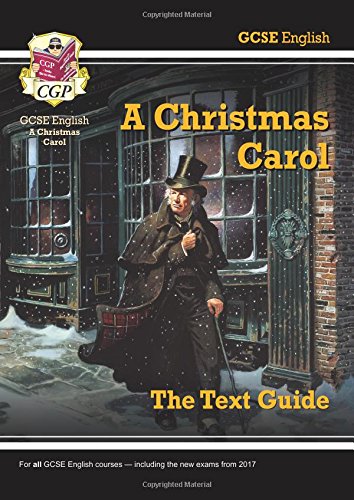
Charles Dickens’s timeless masterpiece, "A Christmas Carol," continues to captivate readers and viewers of all ages. This revision guide will provide a comprehensive overview of the novella, its key themes, characters, and literary devices, to help you excel in your studies or exam preparation for 2024.
Summary
"A Christmas Carol" is a novella that tells the story of Ebenezer Scrooge, a miserly and solitary old man who is visited by three spirits on Christmas Eve. These spirits take him on a journey through his past, present, and future, showing him the error of his ways and the importance of compassion and generosity.
Characters
- Ebenezer Scrooge: The protagonist of the novella, Scrooge is a wealthy and miserly old man who despises Christmas and all it represents.
- Jacob Marley: Scrooge’s deceased business partner who appears to him as a ghost on Christmas Eve.
- Ghost of Christmas Past: The first spirit to visit Scrooge, this spirit takes him back to his childhood and young adulthood, showing him how he became the man he is today.
- Ghost of Christmas Present: The second spirit to visit Scrooge, this spirit shows him the joy and happiness that Christmas can bring, both to himself and others.
- Ghost of Christmas Yet to Come: The third and most terrifying spirit to visit Scrooge, this spirit shows him the bleak and lonely future that awaits him if he does not change his ways.
- Tiny Tim: The crippled son of Bob Cratchit, Scrooge’s clerk. Tiny Tim represents the innocent and vulnerable, and his death in the future is a potential consequence of Scrooge’s selfishness.
Themes
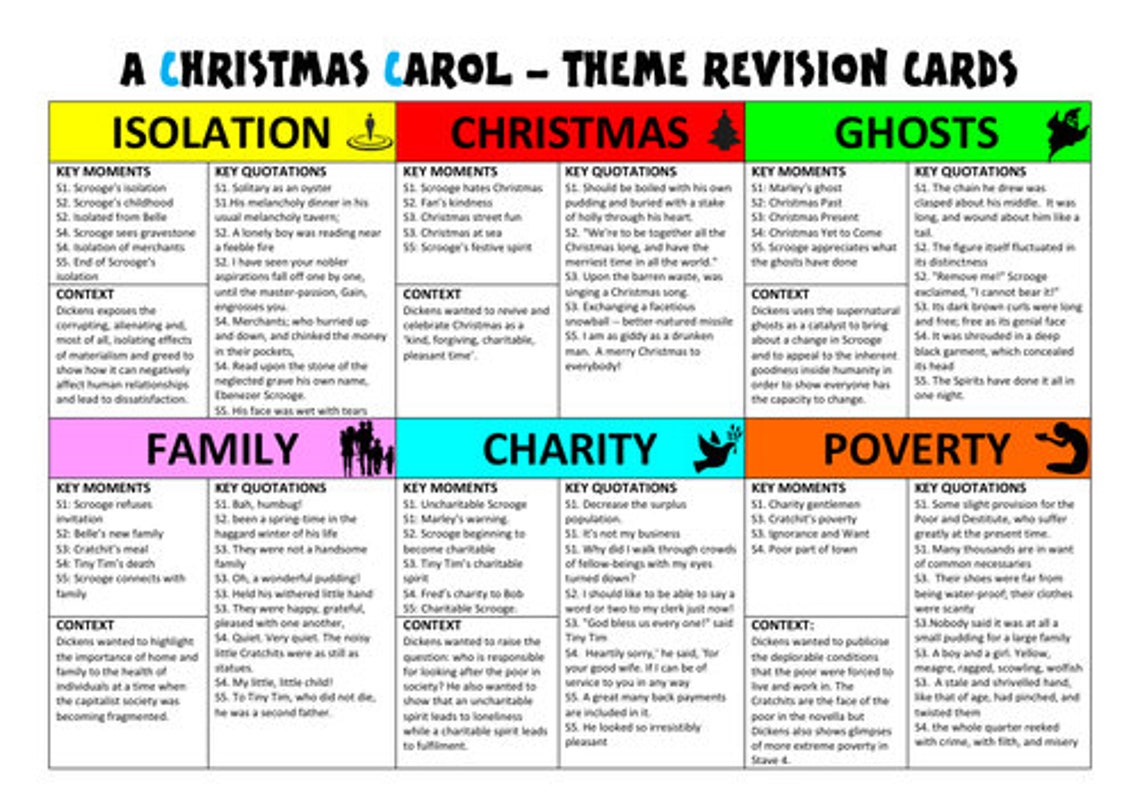
- Redemption: Scrooge’s journey throughout the novella is one of redemption. Through the intervention of the three spirits, he is given the opportunity to confront his past and present actions and to change for the better.
- Charity and Generosity: "A Christmas Carol" emphasizes the importance of charity and generosity, particularly during the Christmas season. Scrooge’s transformation from miser to philanthropist serves as a reminder of the power of giving and receiving.
- Family and Community: The novella highlights the importance of family and community. Scrooge’s isolation and loneliness are contrasted with the warmth and love shared by the Cratchit family and other characters.
- Social Justice: "A Christmas Carol" also touches on issues of social justice. The novella critiques the harsh economic conditions of Victorian England and the plight of the poor.
Literary Devices
- Symbolism: Dickens uses symbolism throughout the novella to convey deeper meanings. For example, the three spirits represent different aspects of Scrooge’s past, present, and future, while Tiny Tim symbolizes the innocence and vulnerability that Scrooge has lost.
- Irony: Dickens also uses irony to create humor and highlight Scrooge’s hypocrisy. For example, Scrooge’s name is ironic because he is anything but "generous" or "merry."
- Supernatural Elements: The novella incorporates supernatural elements, such as the ghosts and the journey through time, to create a sense of wonder and to emphasize the transformative power of the Christmas spirit.
Key Passages
- "Marley was dead: to begin with." This iconic opening line immediately establishes the supernatural and mysterious atmosphere of the novella.
- "Scrooge was not a man of sentiment." This description of Scrooge’s character sets the stage for his transformation throughout the story.
- "I wear the chain I forged in life." Marley’s words to Scrooge foreshadow the consequences of Scrooge’s selfish actions.
- "God bless us, every one!" Tiny Tim’s cheerful toast at the Cratchit family’s Christmas dinner highlights the importance of gratitude and family.
- "I will live in the Past, the Present, and the Future." Scrooge’s resolution at the end of the novella signifies his transformation and his commitment to redemption.
Study Tips
- Read the novella carefully: Pay attention to the plot, characters, themes, and literary devices.
- Analyze the key passages: Understand their significance and how they contribute to the overall meaning of the novella.
- Consider the historical context: "A Christmas Carol" was written in Victorian England, so it’s important to understand the social and economic conditions of the time.
- Practice essay writing: Develop strong arguments and support them with evidence from the text.
- Revise regularly: Review your notes and key passages to reinforce your understanding.
Conclusion
"A Christmas Carol" is a timeless classic that continues to inspire and entertain readers of all ages. This revision guide has provided a comprehensive overview of the novella, its key themes, characters, literary devices, and key passages. By following the study tips and engaging with the text, you can enhance your understanding and appreciation of this literary masterpiece.



Closure
Thus, we hope this article has provided valuable insights into Christmas Carol Revision Guide 2024. We appreciate your attention to our article. See you in our next article!
- 0
- By admin